
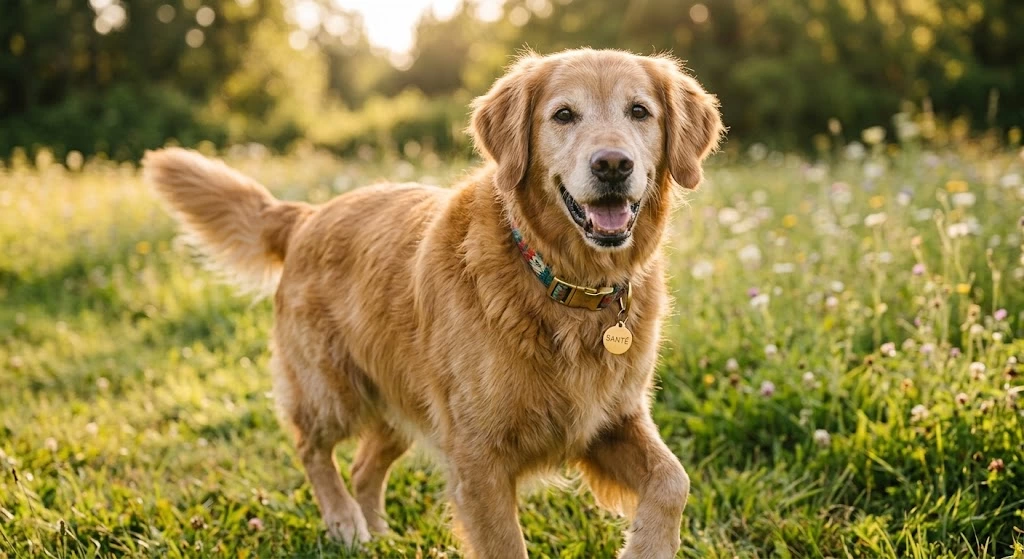
Dog health stands at the center of every responsible pet owner’s concerns. Recognizing the right habits, routines, and care tips can greatly influence a dog’s overall happiness and longevity. From dog health symptoms to preventive care, many factors come into play for keeping pets feeling their best.
Whether a companion runs through fields or prefers sofa naps, maintaining robust well-being involves much more than regular walks. Keeping an attentive eye on signs of illness as well as following scheduled veterinary checkups ensures a proactive approach. Let’s explore the impactful choices that support canine vitality.
The benefits of a balanced diet

A well-rounded diet remains one of the foundations of strong Dog health. Proper diet and nutrition contribute to growth, energy, immune function, and resilience against canine diseases and conditions. High-quality food supplies proteins, fats, fibers, vitamins, and minerals essential for optimal bodily processes.
Selecting appropriate portions is just as vital as ingredient quality. Overfeeding or giving excessive treats increases the risk of obesity and weight management challenges in dogs. Obesity not only reduces life expectancy but also stresses joints and organs, often leading to more frequent health complications.
Choosing suitable ingredients for every stage
Puppies, adults, and senior dogs each have specific nutritional requirements. Puppies benefit from higher protein content to fuel rapid development, while adult dogs need balanced nutrients for everyday well-being. Seniors require fewer calories yet may need more joint-supporting elements to stay comfortable.
Checking labels and adjusting formulas according to age can prevent many issues. Avoid fillers, artificial additives, and foods heavy in salt or sugar. A veterinarian can help tailor dietary needs based on breed, activity level, and underlying health.
Monitoring eating habits and health
Being attentive to changes in appetite or feeding behavior often reveals early dog health symptoms. Skipping meals, sudden fluctuations in weight, or digestive disturbances might indicate deeper problems. Timely intervention protects dogs from escalation of minor concerns to larger medical challenges.
Integrate fresh water daily and use slow feeders for fast eaters. Consistent meal schedules, combined with portion control, significantly reduce risks related to excess or deficiency.
Integrating CBD and other natural remedies
Alongside traditional medicine, many owners turn to natural solutions for gentle support. CBD oil, derived from hemp, has gained popularity as a holistic supplement believed to ease anxiety, discomfort, and promote relaxation in dogs facing various conditions.
Natural extracts such as chamomile and fish oils support coat shine, skin health, and cognitive function, enhancing overall well-being. When introducing any supplement, monitoring reactions and consulting a professional is always recommended.
Understanding safety and dosage
Every natural remedy, including CBD, requires careful dosage and high production standards. Quality assurances and third-party testing help reduce the risk of contaminants or harmful additives. Individual response varies, so starting with small amounts and observing closely makes a significant difference.
Mixing supplements with existing medication or pre-existing health conditions should only be done after professional guidance. Not all herbal or botanical products suit every dog, which underscores the importance of personalized plans.
Selecting trusted products for daily care
Review sources and select products formulated specifically for pets. Research origin, extraction techniques, and transparency about ingredients before integrating anything new into the regimen.
Rely on feedback from veterinarians and reliable communities before making long-term decisions regarding supplements. This systematic approach helps owners avoid unintentional harm and build confidence in chosen treatments.
Tips for aging pets
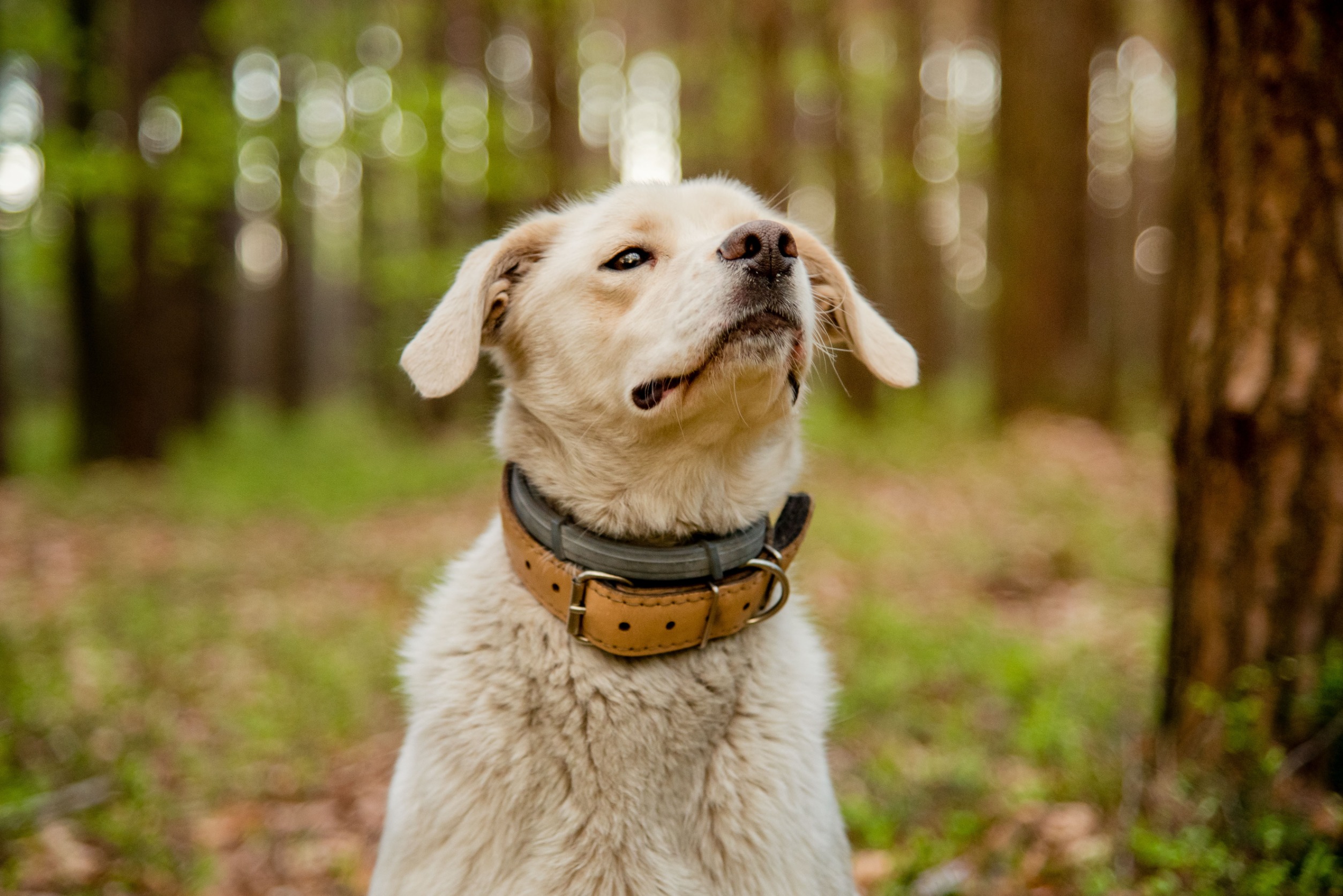
Caring for senior dogs demands extra attention to routine exercise, comfort, and monitoring for signs of illness. Regular grooming supports circulation and offers frequent opportunities to spot bumps, swelling, or changes in skin condition.
Engaging minds with puzzles and gentle physical movement slows cognitive decline and fosters ongoing joy. Well-timed veterinary checkups catch emerging issues early, contributing to active, happy golden years for beloved four-legged companions.
- Provide orthopedic bedding to soothe stiff joints.
- Adapt exercise intensity to current ability, not past performance.
- Increase preventive care referencing lifestyle shifts and age.
- Stay alert for new lumps, labored breathing, or dental problems.
Adopting mindful habits encourages a longer, healthier life and strengthens bonds along the way.